2025 Braden Grant Stories
Each year, the Stanford Storytelling Project awards Braden Grants to a small number of students to support the research, writing, and production of audio documentaries. The aim of the program is to help students learn how to tell powerful, research-driven stories based on testimony they gather through interviews, research, or oral history archives. Grantees receive up to $2,500, as well as teaching, training, and mentorship during the period of the grant (March-December). In January of each year, all of the documentaries are aired on KZSU and published on the Soundings podcast. All pieces will be considered for inclusion in State of the Human, the SSP’s premier, award-winning podcast. State of the Human episodes are aired weekly on KZSU, Stanford’s public radio station, and some stories reach national broadcast outlets.
Listen on:








2025 Braden Grant Stories
Saturday Dec 17, 2016
Saturday Dec 17, 2016
In this story, Nicole Bennett-Fite follows the modern cryonics movement and what it says about our desire for immortality.Produced by: Nicole Bennett-Fite
Jim Yount is chief operating officer of the American Cryonics Society.
Saturday Dec 17, 2016
Saturday Dec 17, 2016
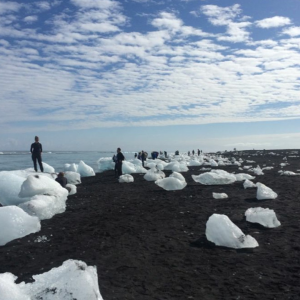
Iceland’s Concealed Conservationists is about the elf population in Iceland and how Icelanders’ tradition of hidden creatures living in the landscape encourages a deep respect for nature and a sense of responsibility to preserve the wilderness which is an essential part of Iceland’s culture and identity. But over the past few years the numbers of tourists travelling to Iceland has increased drastically as people from other countries seek these rare and dramatic locations and so Iceland’s untouched wilderness is at risk of losing its essential character. This story is about the landscape of Iceland and the magic and life that it holds, and Icelanders’ efforts to ensure that it is not lost.
Produced by: Michaela EliasFeaturing: Michaela Elias, Steinar Kaldal, Olof Yrr Atladottir, Oddur Sturluson, Ragga Jonsdottir, Terry Gunnel, Gudmundur Ögmundarson
Producer(s): Michaela Elias, storytelling.stanford.eduMusic: Two Stragers, Rachel Mason, Live at WFMU on Scoot Williams showSong Four, Bridget St John—Live at WFMU’s Monty HallCalendula, Ava Zandieh, Patterns and DronesHenfight, Itasca, Live at WFMU on The Avant Ghetto with Jeff ConklinOpen your eyes, Jarkko Hietanen
Saturday Dec 17, 2016
Saturday Dec 17, 2016
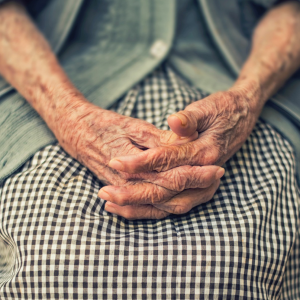
After I retired I thought… what do I do next?” We all the know the rags to riches story of immigration and the American dream – but what happens next? The East and West have clashing views of what it means to age, and each person has to define for themselves what it means to grow old in a country that’s not their own. This piece tells the stories of immigrants learning to grow old in America, and how they have found their homes in each other during that process.
Produced by: Annabel ChenFeaturing: Tei Decus, Ann Jordan, Nori Kobayakawa, Jean Yih, Gwen Yeo, Ousha Pancholi, Kusam PatelMusic: Fragile, do not drop (Podington Bear, Tender); Gentle Chase (Podington Bear, Background), CSM (Podington Bear, Neoclassical), Triste (Podington Bear, Solo Instruments), Wilt (Podington Bear, Duets)
Saturday Dec 17, 2016
Saturday Dec 17, 2016
In the rural Himalayas healers called dhami have used local plants and mantras to treat the sick for thousands of years. However, westernized medicine is now coming into the area and rendering the traditional ways obsolete. The tension between between the two healing practices plays itself out in a surprising way.
Produced by: Christopher LeBoa
Saturday Dec 19, 2015
Saturday Dec 19, 2015
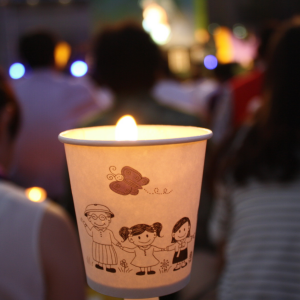
The stories of Korean comfort women were left untold for decades, until one woman broke the silence in 1995, 50 years after the end of World War II. Since then, several brave women have come forward with their experiences of forced prostitution for the Japanese army. This is the story of one woman, Gil Won-ok, after she was taken at the age of 13. She speaks for the women and girls whose stories were left untold, and the victims of human trafficking today.
Featuring: Gil Won-ok, Claire SchoenProducer: Yegina WhangMusic: Sound effects and music from freemusicarchive.org, all other ambient recorded by Yegina Whang
Saturday Dec 19, 2015
Saturday Dec 19, 2015
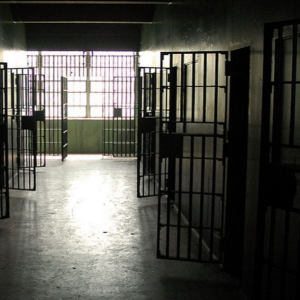
Carolyn and Corina survived abuse, illness, addiction, crime, and prison. What ways have they found to successfully reintegrate into the world? This is a story of how we heal ourselves against the specters of our pasts.Featuring: Corina Shortall, Carolyn CrowleyProducer: Chuong Phan, with help from Will Rogers
Image: Meltwater Via flickrwww.flickr.com/photos/meltwater/578304919/
Saturday Dec 19, 2015
Saturday Dec 19, 2015
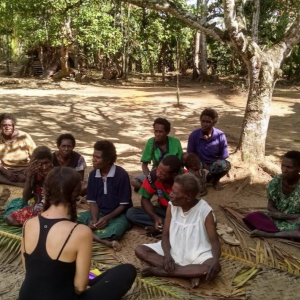
In an isolated fishing village in Papua New Guinea, a linguist sets out to write the first dictionary of the Ende language. Not long after she begins, she finds that one word was more difficult to translate: mokwang, Ende’s word for love, which also means survival.
In this story, we’ll hear how Ende women define what it means to love in Limol, Papua New Guinea.
Featuring: Grace Maher, Lois Sadua (translator), Musato Giwo (translator), Joshua Dobola, Robai Reend, Donai Kurupel, Manaleato Kolea, Jenny Dobola, Pingam Uziag, Loni Garaiyi, Sandra Dikai, Merol Kwe, Wagiba GeserWriter: Kate L. LindseyProducers: Kate L. Lindsey, with help from Claire SchoenMusic: Women from LimolImage caption: Kate Lindsey listening to Limol womenImage photographer: Grace MaherProduction date: April 16th, 2016
Saturday Dec 19, 2015
Saturday Dec 19, 2015
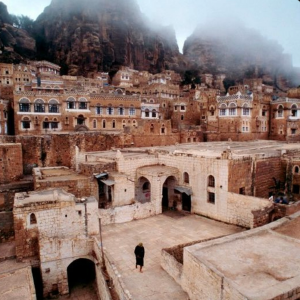
A Neglected Story - Hatred in Yemen highlights the story of Shoshanna Shechter, a 30-year-old Jewish woman who escaped Yemen at age 14. She speaks of physical abuse, verbal abuse, rape, murder, and kidnapping against herself and all Jews in Yemen. More symbolically, she brings to light the reasoning as to why we never hear about this silent war against Jews occurring in Yemen – escapees fear that if they share their story, the Yemeni government will kill them. As a result, they flee the country, and never look back at their past again. This podcast aims to share this silent story, and to teach us that the anti-semitic war still exists today.
Narrated by Ariela SafiraProducer(s): Ariela Safira and the Braden Storytelling Department (storytelling.stanford.edu)
Saturday Dec 19, 2015
Saturday Dec 19, 2015
“For women, then, poetry is not a luxury. It is a vital necessity of our existence. It forms the quality of the light within which we predicate our hopes and dreams toward survival and change, first made into language, then into idea, then into more tangible action. Poetry is the way we help give name to the nameless so it can be thought. The farthest horizons of our hopes and fears are cobbled by our poems, carved from the rock experiences of our daily lives.”- Audre Lorde
Featuring: Alfalfa Brown, Queens D. Light, Ericka Huggins, narrated by Natasha Mmonatau
Producer(s): Natasha Mmonatau and the Braden Storytelling Department (storytelling.stanford.edu)
2023 Braden Storytelling Grant